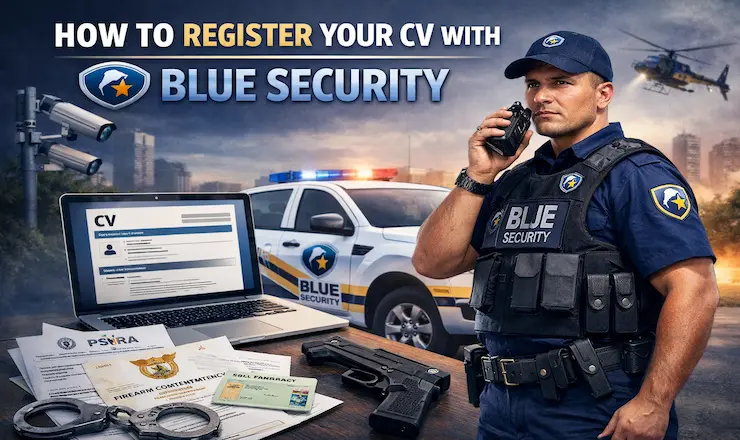
Blue Security is one of the established private security companies in South Africa, particularly well known in KwaZulu-Natal. Founded in 1989, the company focuses on services such as alarm monitoring, armed response, CCTV surveillance, electric fencing, and community safety programs. The company’s headquarters is located in Pinetown, Durban, and it employs hundreds of staff members working in operational, technical, and administrative roles.
With more than 34 years of experience in the security industry, Blue Security has built a strong reputation for protecting residential and commercial properties. The organization has become a trusted brand among communities that rely on professional security teams to respond quickly to emergencies and criminal activity.
In South Africa, the private security industry is massive. In fact, the country has one of the largest private security sectors in the world, employing hundreds of thousands of people. Companies like Blue Security play an essential role in this ecosystem by providing services that complement the work of the police and other law enforcement agencies.
For job seekers, this means opportunities are constantly opening up. Whether you want to become a reaction officer, control room operator, technician, or sales consultant, submitting your CV to Blue Security could be the start of a long-term career.
Why Many Job Seekers Want to Work at Blue Security
Working at Blue Security offers several advantages for individuals interested in the security field. First, the company has a strong community presence, particularly in KwaZulu-Natal, which means employees get exposure to real-world security operations and professional training.
Another reason job seekers target this company is its reputation for stability and growth. Employee reviews suggest that the organization provides structured working environments and opportunities for career progression if workers perform well. Some employees also mention that the company values teamwork and maintains a strong organizational culture built around safety and accountability.
Security companies like Blue Security also offer a range of career paths. Many people start as security officers or reaction officers, but with time and experience they can move into supervisory roles, technical departments, or management positions.
For individuals looking for entry-level employment, the security sector is often easier to access compared to other industries because some roles require practical training rather than university degrees. As long as you meet the legal requirements, maintain a clean criminal record, and demonstrate discipline, your chances of employment are significantly higher.
Types of Jobs Available at Blue Security
Security and Armed Response Jobs
The majority of positions at Blue Security fall within operational security roles. These jobs involve protecting clients, responding to alarms, and ensuring the safety of communities.
Some of the common positions include:
- Armed Response Officer
- Security Guard
- Control Room Operator
- Patrol Officer
- Surveillance Operator
For example, individuals applying for reaction officer roles typically need to hold a PSIRA response certificate (minimum Grade C) along with firearm competency and a valid driver’s license. These qualifications are essential because response officers must react quickly to alarm activations and potential security threats.
These roles are ideal for people who are physically fit, disciplined, and comfortable working shifts. Security officers often work 12-hour rotations, including nights and weekends, because security services operate 24/7.
Technical and Administrative Roles
Blue Security also hires people in technical and office-based roles. These positions support the operational teams and ensure security systems function correctly.
Examples include:
- Security technicians
- Sales consultants
- IT specialists
- Administrative staff
- Customer service agents
Technical staff may install alarm systems, maintain CCTV networks, or configure access control systems. Sales consultants, on the other hand, focus on acquiring new clients and promoting the company’s security services.
These roles usually require additional qualifications such as technical training, IT certifications, or sales experience depending on the position.
Basic Requirements to Work at Blue Security
Mandatory Qualifications for Security Officers
Before submitting your CV, it is important to understand the basic requirements that security companies expect from applicants.
For many operational roles at Blue Security, candidates must have:
- PSIRA response certificate (minimum Grade C)
- Firearm license and competency certificate
- Valid driver’s license
- At least two years of response officer experience
PSIRA stands for the Private Security Industry Regulatory Authority, which regulates security workers in South Africa. Without PSIRA registration, you cannot legally work as a security officer.
Another critical requirement is a clean criminal record. Security companies conduct background checks to ensure employees can be trusted with sensitive responsibilities.
Additional Skills That Improve Your Chances
While the mandatory requirements are essential, some extra skills can make your application stand out.
These include:
- Good communication skills
- Physical fitness
- Problem-solving ability
- Customer service experience
- Basic computer knowledge
Security work is not just about reacting to danger; it also involves interacting with clients, reporting incidents, and maintaining professional conduct at all times.
Applicants who demonstrate reliability, discipline, and strong interpersonal skills often perform better during recruitment processes.
How To Register Your CV With Blue Security
Method 1: Apply Online Through the Official Careers Page
One of the easiest ways to submit your CV is through the Blue Security careers page on their official website.
The process usually involves:
- Visiting the company website.
- Navigating to the Careers section.
- Reviewing available job openings.
- Uploading your CV and required documents.
- Submitting the application form.
This method is convenient because you can apply from anywhere. It also allows the recruitment team to store your CV in their database for future job openings.
Online applications are becoming increasingly common because they allow companies to manage large volumes of applications efficiently.
Method 2: Send Your CV by Email
Another way to apply is by emailing your CV directly to the recruitment department.
Some recruitment posts indicate that applications emailed to the company recruitment address are considered during hiring processes.
When sending your CV by email:
- Use a professional subject line
- Attach your CV in PDF format
- Include a short cover message
This approach is simple and effective, especially when companies advertise vacancies on social media platforms.
Method 3: Submit Your CV in Person
In some cases, candidates can also deliver their CV directly to company offices.
According to information shared by applicants, individuals sometimes bring their CVs to the office and submit them during recruitment days.
Submitting your CV in person has advantages because it allows you to:
- Introduce yourself to staff
- Demonstrate confidence
- Ask about upcoming vacancies
For security jobs, this approach can be particularly effective because recruiters often prefer candidates who show initiative.
Step-by-Step Guide to Preparing Your CV for Security Jobs
Important Information to Include
Your CV is essentially your professional advertisement. If it is poorly structured or missing key information, recruiters may reject it quickly.
A strong security job CV should include:
- Personal details
- Contact information
- PSIRA registration number
- Work experience
- Education history
- Security certifications
- References
Make sure the document is clear, concise, and easy to read. Recruiters often review dozens of CVs daily, so a well-structured layout helps your application stand out.
Documents You Should Attach
When applying for security jobs, certain documents are typically required alongside your CV.
Common documents include:
- Certified copy of ID
- PSIRA certificate
- Driver’s license
- Firearm competency certificate
- Matric certificate
Providing these documents early in the application process can speed up recruitment because employers can verify your qualifications quickly.
What Happens After You Submit Your CV
The Recruitment and Screening Process
Once your CV reaches the recruitment team, the company usually performs several checks before inviting you for an interview.
These may include:
- Background verification
- Criminal record checks
- Reference checks
Security companies take these steps seriously because employees must be trustworthy and responsible.
The screening process helps ensure that candidates meet both legal and professional standards.
Interview and Assessment Stages
If your CV is shortlisted, you may be invited for interviews or assessments.
Some candidates report undergoing additional tests such as:
- Interviews
- Typing or skills tests
- Polygraph examinations
- Drug tests
- Fingerprint verification
These evaluations help the company confirm your honesty, skills, and suitability for security work.
Tips to Increase Your Chances of Getting Hired
CV Optimization Tips
A strong CV dramatically increases your chances of securing interviews.
Key tips include:
- Keep the CV 2 pages maximum
- Highlight security certifications
- List relevant work experience
- Use clear formatting
Recruiters appreciate candidates who present information in a structured and professional way.
Professional Conduct During the Hiring Process
Your behavior during the hiring process matters just as much as your qualifications.
Always remember to:
- Dress professionally during interviews
- Arrive on time
- Speak confidently
- Show respect and discipline
Security companies value candidates who demonstrate integrity, responsibility, and professionalism.
Benefits of Working at Blue Security
Working in the security industry can provide long-term employment opportunities.
Some potential benefits include:
| Benefit | Explanation |
|---|---|
| Career growth | Employees can move into supervisory or management roles |
| Job stability | Security services are always in demand |
| Skills development | Training in surveillance, response, and crisis management |
| Community impact | Helping protect neighborhoods and businesses |
For individuals passionate about safety and community protection, security work can be both rewarding and meaningful.
Conclusion
Registering your CV with Blue Security is a straightforward process that can lead to exciting career opportunities in South Africa’s private security industry. Whether you apply online, send your CV via email, or submit it in person, the key is to ensure that your application meets all the required qualifications and presents your skills clearly.
Security companies look for candidates who are disciplined, reliable, and properly certified. If you hold a PSIRA certificate, have a clean record, and demonstrate professionalism, you significantly improve your chances of getting hired.
Take the time to prepare a strong CV, gather the required documents, and apply through the correct channels. With persistence and preparation, your career in the security sector could begin sooner than you expect.
FAQs
1. Where can I submit my CV for Blue Security jobs?
You can submit your CV through the official Blue Security careers page, email recruitment channels, or by visiting their offices during recruitment periods.
2. Do I need PSIRA to work at Blue Security?
Yes. PSIRA registration is mandatory for most security positions in South Africa.
3. What qualifications do reaction officers need?
Typical requirements include PSIRA Grade C certification, firearm competency, a driver’s license, and relevant experience.
4. How long does the Blue Security hiring process take?
The recruitment process can take about a week or longer, depending on background checks and assessments.
5. Can I work at Blue Security without experience?
Some roles require experience, but entry-level security positions may accept candidates who have PSIRA registration and basic training.