
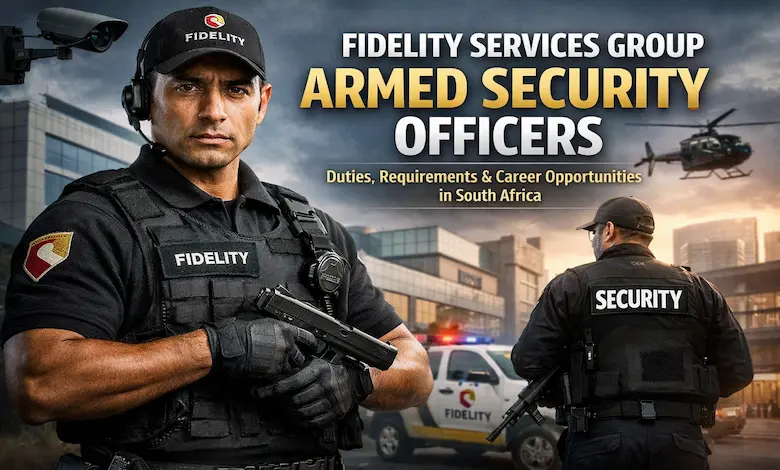
Security is not just a job in South Africa—it’s a necessity. With rising concerns about crime, businesses and residential communities rely heavily on professional security services to protect people, property, and assets. Fidelity Services Group stands out as one of the largest integrated security companies in Southern Africa, known for delivering advanced protection solutions and maintaining high service standards across industries. According to recent job postings and industry data, the company operates nationwide and continuously recruits trained officers to support growing security demands.
Think of Fidelity as the backbone of many businesses’ safety systems. From retail stores to corporate offices and warehouses, their officers act as the first line of defense against theft, vandalism, and unauthorized access. They provide visible protection, monitor security systems, and respond to emergencies when needed. This level of responsibility requires discipline, attention to detail, and a strong sense of professionalism.
For many job seekers—especially those looking for stable employment in South Africa—the security industry offers a clear career path. With proper training, certification, and experience, individuals can progress from entry-level security roles to supervisory or specialized positions. Fidelity supports this growth by offering training opportunities and career development programs designed to strengthen skills and build long-term careers in the security sector.
The Purpose of an Armed Security Officer Position
At its core, the role of an armed security officer is simple: protect people and property while ensuring safety at all times. But in reality, the job involves much more than standing guard. Officers must remain alert, assess risks, enforce security procedures, and respond quickly to potential threats. The main purpose of the position is to ensure that all site-specific security requirements are followed and that the client’s needs are met professionally and efficiently.
Imagine a shopping mall during peak hours. Hundreds of customers move in and out, deliveries arrive, and employees work behind the scenes. Without trained security officers monitoring entrances and controlling access points, the environment could quickly become unsafe. Armed security officers create order, prevent crime, and provide reassurance to everyone on the premises.
Their responsibilities also extend beyond physical protection. They build relationships with clients, evaluate security systems, and recommend improvements to enhance safety. This proactive approach helps reduce risks and ensures that security measures remain effective in changing environments.
Core Responsibilities of Fidelity Armed Security Officers
Maintaining Professional Relationships with Clients
One of the most important responsibilities of a Fidelity armed security officer is maintaining strong relationships with clients. Security is a service-based profession, and trust is the foundation of that service. Officers must communicate clearly, respond to concerns quickly, and demonstrate professionalism in every interaction.
Think about it like customer service—but with higher stakes. If a client feels unsafe or ignored, the entire security operation loses credibility. That’s why officers are trained to remain courteous, respectful, and attentive at all times. They represent the company’s reputation and must uphold its standards.
Building good relationships also involves understanding the client’s specific needs. For example, a retail store may require strict access control to prevent theft, while a warehouse may focus on monitoring deliveries and protecting valuable goods. By adapting their approach to each environment, officers provide customized security solutions that meet client expectations.
Strong client relationships lead to better communication, faster problem resolution, and improved overall service quality. In the security industry, these factors can make the difference between preventing an incident and responding to one after it happens.
Evaluating and Improving Security Service Levels
Security is not a one-time setup—it’s an ongoing process. Armed security officers continuously evaluate the effectiveness of existing security measures and identify areas for improvement. This responsibility requires critical thinking, observation, and attention to detail.
For instance, an officer may notice that a particular entrance lacks adequate lighting, making it easier for criminals to approach unnoticed. By reporting this issue and recommending additional lighting or surveillance cameras, the officer helps strengthen the security system and reduce potential risks.
Regular evaluations also involve reviewing incident reports, monitoring security equipment, and assessing staff performance. These activities ensure that security operations remain efficient and responsive to changing conditions. According to industry guidelines, security officers must monitor access control, patrol designated areas, and maintain detailed records of daily activities to ensure compliance with safety procedures.
This proactive approach transforms security from a reactive service into a preventive strategy. Instead of waiting for problems to occur, officers identify vulnerabilities and address them before they escalate into serious incidents.
Risk Assessment and Crime Prevention Strategies
Crime prevention is at the heart of every security operation. Armed security officers conduct regular risk assessments to identify potential threats and implement measures to minimize them. These assessments involve analyzing the environment, evaluating security systems, and monitoring suspicious behavior.
Imagine a security officer patrolling a warehouse late at night. They notice an unfamiliar vehicle parked near the loading dock. Instead of ignoring the situation, the officer investigates, verifies the driver’s identity, and ensures that the vehicle has legitimate business on the premises. This quick action prevents potential theft or unauthorized access.
Risk assessment also includes creating multiple layers of protection—such as fences, surveillance cameras, alarm systems, and controlled entry points—to deter criminals. Each layer acts as a barrier, making it more difficult for unauthorized individuals to access the property.
By staying vigilant and proactive, armed security officers reduce the likelihood of incidents and create a safer environment for everyone involved.
Essential Skills Required for Armed Security Officers
Communication and Leadership Skills
Communication is one of the most valuable skills in the security industry. Armed security officers must communicate effectively with clients, colleagues, and emergency responders. Clear communication ensures that everyone understands instructions, responds quickly to incidents, and maintains coordination during emergencies.
Leadership skills are equally important. Even entry-level officers often supervise teams, manage access points, and make decisions under pressure. They must remain calm, confident, and decisive in challenging situations. Employers look for individuals who can take initiative, solve problems, and maintain control during emergencies.
Strong communication and leadership skills also improve teamwork. Security operations rely on collaboration between officers, supervisors, and support staff. By sharing information and supporting one another, teams can respond more effectively to threats and maintain high service standards.
Problem-Solving and Decision-Making Abilities
Security officers face unpredictable situations every day. From handling disputes between visitors to responding to emergencies, they must make quick decisions based on available information. Problem-solving skills enable officers to analyze situations, identify risks, and implement appropriate solutions.
For example, if an alarm system activates unexpectedly, the officer must determine whether it is a false alarm or a genuine threat. This decision requires careful observation, logical reasoning, and knowledge of security procedures.
Decision-making abilities also influence safety outcomes. A delayed or incorrect decision can increase risks and compromise security. That’s why training programs emphasize situational awareness, critical thinking, and emergency response techniques.
By developing strong problem-solving skills, armed security officers become more effective and reliable in protecting people and property.
Minimum Requirements to Become a Fidelity Armed Security Officer
PSIRA Grade C Registration Explained
In South Africa, security officers must be registered with the Private Security Industry Regulatory Authority (PSIRA) to work legally. PSIRA certification ensures that officers meet professional standards and understand security regulations.
Grade C registration is the minimum requirement for many security positions, including armed security roles. It indicates that the officer has completed basic training and demonstrated competency in security operations. Employers require this certification to ensure compliance with industry regulations and maintain professional standards.
Recent job listings show that candidates must hold valid PSIRA registration, possess relevant training certificates, and maintain a clean criminal record to qualify for employment in the security industry.
Obtaining PSIRA certification involves completing training courses, passing examinations, and submitting documentation to the regulatory authority. While the process requires time and effort, it opens the door to numerous career opportunities in the security sector.
Firearm Competency and Legal Requirements
Armed security officers must demonstrate firearm competency before carrying a weapon on duty. This requirement ensures that officers can handle firearms safely and responsibly. Training programs cover weapon handling, safety procedures, and legal regulations related to firearm use.
Candidates typically need competency certification for at least two types of firearms, including a handgun. Employers also require regular re-certification to maintain compliance with safety standards.
Firearm competency is not just about shooting accuracy—it’s about responsibility. Officers must understand when to use force, how to protect themselves and others, and how to follow legal guidelines. This knowledge reduces risks and ensures that firearms are used only when necessary.
Experience and Background Checks
Experience plays a significant role in securing employment as an armed security officer. Most employers require at least two years of experience in the security industry. This experience demonstrates familiarity with security procedures, risk assessment, and emergency response.
Background checks are equally important. Employers verify criminal records, employment history, and references to ensure that candidates meet professional standards. A clean criminal record is mandatory for most security positions.
These requirements protect clients, employees, and the public by ensuring that only qualified individuals work in security roles.
Working Conditions and Shift Expectations
Day vs Night Shift Responsibilities
Security operations run around the clock, which means officers must be prepared to work flexible schedules. Day shifts often involve monitoring visitor access, assisting customers, and managing deliveries. Night shifts focus on patrols, surveillance, and responding to alarms.
Working night shifts can be challenging, but it also offers opportunities for overtime and career advancement. Employers expect officers to remain alert, follow procedures, and maintain professionalism regardless of the time of day.
Shift work requires discipline and adaptability. Officers must manage their schedules, maintain physical fitness, and ensure adequate rest to perform effectively.
Physical and Mental Demands of Security Work
Security work is physically demanding. Officers spend long hours standing, walking, and patrolling large areas. They must remain alert and ready to respond to emergencies at any moment.
Mental demands are equally significant. Officers face stressful situations, make quick decisions, and handle conflicts between individuals. Maintaining focus and emotional control is essential for success in this profession.
Despite these challenges, many officers find the work rewarding. They take pride in protecting communities and contributing to public safety.
Salary Expectations for Armed Security Officers in South Africa
| Position Level | Average Monthly Salary | Experience Required | Key Responsibilities |
|---|---|---|---|
| Entry-Level Security Officer | R6,000 – R9,000 | 0–1 Year | Access control, patrol duties |
| Armed Security Officer | R9,000 – R14,000 | 2–3 Years | Risk assessment, emergency response |
| Security Supervisor | R14,000 – R20,000 | 3–5 Years | Team management, reporting |
| Security Manager | R20,000+ | 5+ Years | Strategic planning, operations oversight |
Salary levels vary depending on location, experience, and job responsibilities. Officers who obtain additional certifications or specialize in areas such as armed response or VIP protection often earn higher wages.
How to Apply for a Fidelity Armed Security Officer Job
Applying for a security job is straightforward, but preparation is essential. Candidates must ensure that their documents are complete, accurate, and up to date. Employers typically require the following:
- Updated CV
- PSIRA certificate
- Identification document
- Proof of address
- Firearm competency certificate
Online applications are the most common method. Applicants create accounts, upload documents, and submit their information through company career portals. Successful candidates may be invited for interviews, background checks, and training sessions.
Preparation increases the chances of success. Candidates who demonstrate professionalism, reliability, and commitment stand out from the competition.
Why Fidelity Services Group Encourages Diversity and Fair Employment
Fidelity Services Group promotes equal employment opportunities and supports diversity in the workplace. The company encourages applications from historically disadvantaged individuals and women, reflecting its commitment to transformation and fair business practices.
This approach strengthens the workforce by bringing together individuals with different perspectives, experiences, and skills. Diversity fosters innovation, improves teamwork, and enhances service quality.
Fair employment practices also build trust within communities. When people see opportunities for growth and development, they feel more confident in the organization’s commitment to social responsibility.
Conclusion
The role of a Fidelity Services Group armed security officer is both challenging and rewarding. It requires discipline, professionalism, and a strong commitment to safety. Officers protect people, property, and assets while maintaining high service standards and building relationships with clients.
For individuals seeking stable employment and career growth, the security industry offers numerous opportunities. With proper training, certification, and experience, candidates can build successful careers and contribute to safer communities.
Security is more than a job—it’s a responsibility. Those who embrace this responsibility play a vital role in protecting society and maintaining peace.
Frequently Asked Questions (FAQs)
1. What qualifications do I need to become an armed security officer?
You need PSIRA Grade C registration, firearm competency certification, and at least two years of security experience. Employers also require a clean criminal record.
2. Can I work as a security officer without experience?
Yes, entry-level positions exist, but most armed security roles require prior experience in the security industry.
3. How long does it take to get PSIRA certification?
Training typically takes a few weeks to a few months, depending on the course and certification level.
4. Is working as an armed security officer dangerous?
The job involves risks, but proper training, equipment, and procedures help reduce dangers and ensure safety.
5. Are there career growth opportunities in the security industry?
Yes. Officers can advance to supervisory roles, specialized security positions, or management roles with experience and additional training.